California is one of the states leading the nation in rooftop solar panel installations, surpassing other states by a significant margin. This position is not merely due to its large population but is also attributed to a history of policies actively promoting solar adoption in the Golden State.
The recent adjustments to California’s net metering regulations have impacted the trajectory of solar growth. However, there remain compelling reasons to contemplate transitioning a substantial portion of your above-average electric bill to solar power.
In this guide, we’ve gathered valuable insights on how to navigate the market, ensuring that you secure a favorable deal for a sustainable energy solution. We will help ensure that you power your home and enhance your life for decades to come.
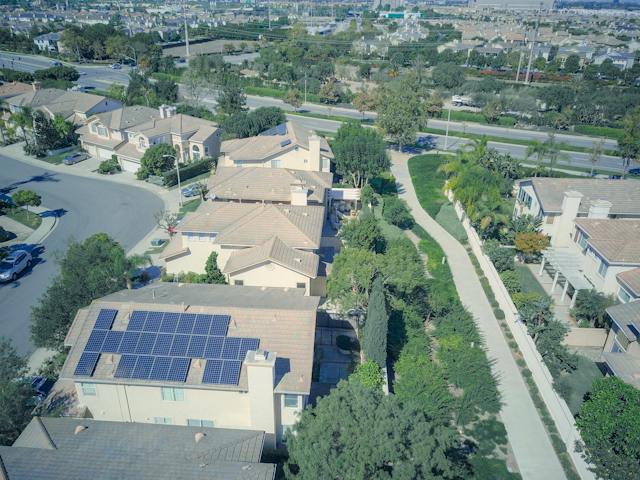
History of California solar policy
California’s solar policy evolved significantly over decades. In the 1970s, amid energy crises, early incentives for solar installations emerged.
The 2000s witnessed increased support with the Million Solar Roofs Initiative in 2006. Subsequent policies like the California Solar Initiative (CSI) aimed to expand solar adoption. In 2018, the state-mandated solar panels on new homes.
Progressive measures, including the 100% clean energy goal by 2045, solidify California’s commitment to solar power, fostering innovation and sustainability in the state’s energy landscape.
How to choose the right solar system for your California house?
Selecting the ideal solar panels for your California home involves key considerations. First, assess your energy needs and consumption patterns. Evaluate your roof’s orientation, size, and shading to optimize sunlight exposure.
Research reputable solar panel installation companies, considering customer reviews and warranties. Explore financing options, such as leases or purchases, and examine available incentives.
Seek customized solutions from professionals to ensure a system tailored to your home’s requirements, maximizing efficiency and long-term savings.
Solar Financing Options in California
The financial aspect of solar panel installation is crucial. Explore the diverse financing options available in California, including:
- Leasing: Monthly payments to a solar provider, often with little to no upfront cost.
- Power Purchase Agreements (PPA): Pay for the energy generated by the system at a predetermined rate.
- Loan Programs: Traditional loans or specialized solar loans for upfront system ownership.
- Property Assessed Clean Energy (PACE): Repay through property tax assessments.
Solar panel installation tax credit California
The federal solar tax credit, also known as the Investment Tax Credit (ITC), provides a 30% tax credit for solar panel installations in the United States, including California. The credit is applied to the cost of the solar system and is available for both residential and commercial installations.
Are there solar panel installation companies in California?
There are numerous solar panel installation companies in California. Some well-known companies include:
- SunPower: Known for high-efficiency solar panels and comprehensive solar solutions.
- Tesla Solar: Offers solar panels, solar roof tiles, and energy storage solutions.
- Sunrun: Specializes in residential solar installations and offers solar leases and power purchase agreements.
- ADT Solar: Offers solar solutions with a focus on online quotes and system design.

Frequently Asked Questions (FAQs)
How much does it cost to install solar panels in California?
In the state of California, our research reveals that acquiring a 5-kW solar system involves an investment ranging from $12,550 to $55,300. To put it differently, the cost per watt falls within the spectrum of $2.51 to $11.06, and this is before factoring in the potential advantages of tax credits or incentives.
Over the past decade, there has been a noteworthy 70% reduction in the average costs of solar installations. Presently, a California homeowner can anticipate an average expenditure of around $14,000 for a residential solar system.
What is the payback period for a solar power system in California?
The payback period for a solar power system in California varies based on factors such as the cost of the system, available incentives, electricity rates, and the amount of sunlight the system receives.
Californian residents opting for solar energy adoption have the potential to accrue savings of approximately $30,000 over 25 years.
What solar panels should I install in California?
Opt for high-efficiency solar panels suitable for California’s sunny climate. Consider factors like durability, warranty, and aesthetics. Customizing the system to your energy needs and available space is key. Consulting with reputable solar installers can help you choose the most suitable panels for optimal energy production.
What is my solar power output in California?
Your solar power output in California depends on factors like system size, panel efficiency, sunlight exposure, and local climate. Consulting with a solar professional can provide a more reliable estimate based on your specific circumstances.
What are the solar incentives and rebates in California?
California offers various solar incentives and rebates to encourage solar adoption. Most of these programs are funded and managed by the government.
What government incentives are available for solar panel installation in California?
The government incentives and rebates include:
- Net Energy Metering (NEM): Credits homeowners for excess energy fed back to the grid.
- Property Assessed Clean Energy (PACE): Offers financing for energy-efficient upgrades.
- Federal Investment Tax Credit (ITC): Provides a 30% tax credit on solar system costs.
- Property Tax Exemptions: Residents in Los Angeles enjoy an exemption from property taxes linked to the increased home value resulting from a solar installation.
Can I install solar panels myself in California?
Yes, but it’s recommended to hire a licensed professional to ensure compliance with regulations and safety standards.
Do I need a permit to install solar panels in California?
Yes, obtaining a permit is necessary for solar panel installations in California to ensure compliance with local building codes.
Explore the city of California permit application forms to understand the permit requirements for solar energy systems.
How many solar panels do I need to power my California house?
The number of solar panels depends on factors like energy consumption, panel efficiency, and sunlight exposure. A solar professional can provide a customized estimate.
Read: How Solar Panel Size Affects Your Energy Output and Efficiency
What is the net metering policy in California?
California’s net metering policy allows homeowners to receive credits for excess energy their solar panels feed back into the grid. The implementation of Net Energy Metering 3.0 in 2023 significantly influenced the worth of the credits reflected on electric bills.
How do you choose the best California solar panel company?
Select a reputable company based on customer reviews, warranties, and customization options. Obtain quotes and compare offerings before making a decision.
Should I buy or lease my California solar panels?
Consider factors like budget, ownership preference, and long-term goals. Buying offers ownership benefits, while leasing provides cost savings without ownership.
Conclusion
Embracing solar panel installation in California is a wise and sustainable choice. This comprehensive FAQ serves as a valuable resource, equipping you with the knowledge needed to navigate the complexities of solar energy adoption.
Whether you’re a homeowner or a business owner, understanding the nuances of solar panel installation in California empowers you to make informed decisions for a greener future