Solar energy has proliferated in recent years as nations continue seeking zero-carbon initiatives and clean energy sources. Indeed, it is predicted that solar power will dominate the electricity generation sectors by 2050 – even without introducing more ambitious energy and climate policies.
Adding to this growth is the increasingly lower prices of solar energy installations, leading to their growing popularity amongst homeowners and businesses. And for the former group, rooftop-based structures remain the most popular.
Solar panels remain the most popular form of photovoltaic (PV) structures amongst homeowners, but solar shingles are slowly gaining popularity. And while both can help you save the planet, there are crucial differences between the two that you should know about before considering which one to purchase.
What are solar panels?
Solar panels are those shiny, cool-looking rectangles you might’ve seen on someone’s rooftop.
A single solar panel has many PV cells arranged on a rectangular plate. When the sun’s photons (little packets of light energy) hit the solar cells, it knocks electrons loose and allows them to flow freely, creating a direct current (DC).
The solar panel will then run this direct current into an inverter, converting it into a usable alternating current (AC). This alternating current is stored in batteries for later use.
Multiple solar panels are connected and positioned optimally to ensure maximum sun exposure and thus maximize their electrical generation.

Pros of solar panels
- Availability: Solar panels have established themselves in the market for over 50 years, making them more accessible than solar shingles. The greater availability means you can purchase solar panels for your home anywhere in your country and have more brand options.
- Cost: With an established market and decades of improvement, solar panels are cheaper than solar shingles.
- Flexibility: Solar panels can be installed on just about any roof type and tilted to ensure maximum direct sunlight exposure regardless of the roof’s structure or angle.
- Different models: Besides rooftop-mounted solar panels, other models suit various needs. These include ground-mounted, pool, and window-mountable thin film solar panels.
- Efficiency: The average efficiency of a typical solar panel is 5-18%, with premium models boosting that up to 22%.
Also read: Advantages of solar panels.
Cons of solar panels
- Space constraints: The large size of most solar panels can cause space constraint problems for smaller roofs and areas with limited ground space availability. A smaller surface area means less space receiving direct sunlight; thus, installing a large enough solar panel array is more difficult.
- Aesthetics: While some people appreciate the sleek, modern designs of solar panels, others might consider them an eyesore.
How long do solar panels last?
The average residential solar panel has a lifespan of at least 25 years. After that limit, degradation becomes noticeable, and the solar panel loses efficiency.
The loss in efficiency will generally become more noticeable much earlier, however, as the solar panel inverter will become degraded after 10 or 15 years due to non-stop usage.
For detailed information, read: How long do solar panels last?
What financing options are available for solar panels?
In the US, federal solar tax credits are available for purchasing and installing solar panels.
These tax credits reduce the tax you’ll pay or increase your refund, saving you more than a tax deduction.
If you have a solar panel system installed in 2022, you could have obtained a federal tax of 26%, which helps offset the initial installation costs. On the other hand, if you installed the system in 2023, the tax break would have been 22%.
Solar leasing is another financing option available. In this case, instead of buying new panels, you lease or rent them. Leasing is a good option for people who want to take advantage of the savings provided by solar panels but cannot afford a permanent installation or would rather not borrow.
Other countries have their own financing options for solar panels.
India, for example, is one of the biggest buyers of rooftop solar panel installations. As such, a critical financial incentive is the Solar Rooftop Photovoltaic (PV) Subsidy Scheme. Through this scheme, residential houses and institutions like schools and hospitals enjoy a subsidy of 40%.
Japan has its Feed-in Tariff (FIT) system, granting renewable energy producers (including solar power) the ability to sell excess electricity to power generators, which will then distribute this electricity for general usage at a fixed rate over a fixed period.
Australia is also leading in solar power uptake thanks to its s Solar Homes and Communities Plan, which previously provided up to A$8000 to homeowners for installing solar panels. This plan was subsequently replaced by the Solar Credits Program in 2009, giving Renewable Energy Certificates instead.
In the UK, Glow Green provides a variety of solar panel financing plans.
In Malaysia, major banks like Maybank, Hong Leong Bank, and OCBC provide solar panel financing options.
What are solar shingles?
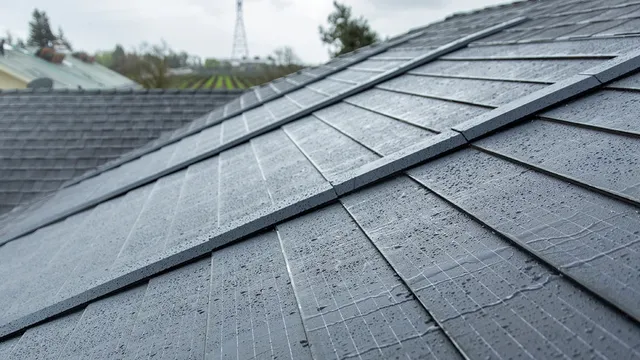
Solar shingles (or roof tiles) are the newest innovation in developing photovoltaic solar technology for the household.
A single solar shingle consists of slim PV sheets that can be overlaid on or replace the existing shingles on a roof.
Pros of solar shingles
- Size: Smaller sizes mean that space is rarely a problem. Depending on the design, an entire roof can be covered with solar shingles.
- Durability and resilience: Solar shingles are typically more durable than both the traditional rooftop tiles they replace and solar panels, boasting greater resilience to harsh weather conditions, fallen debris, and even fire.
- Aesthetics: Solar shingles easily blend in with an asphalt roof and can be customized to fit the color and style of the rooftop, ensuring that they do not become an eyesore like rooftop solar panels.
- Suitable for new houses or roofs: If you plan on building a new home or roof, rolling in the costs of purchasing solar shingles can be a better investment than retrofitting a solar panel system on an existing roof.
Also read: Are solar shingles worth it?
Cons of solar shingles
- Cost: Solar shingles are significantly more expensive than solar panels, even with broader adoption and increasing competition.
- Availability: The late arrival of solar shingles into the market and the scarcity of licensed installers have led to lower availability.
- Installation: Each solar shingle needs to be connected individually to be effective. If you have a large roof, installing solar shingles can be time-consuming as you may need a large number of shingles to maximize their generation.
- Efficiency: Solar shingles are only half as efficient at around 15-18% compared to solar panels.
- Flexibility: Solar shingles usually work best replacing asphalt roof tiles than on other types of rooftops, limiting their applications.
How long do solar shingles last?
Solar shingles roughly have the same long life spans as solar panels – at least 25 years. However, the longevity of solar shingles varies depending on the manufacturer and the installation.
What tax credits are available for solar shingle installation?
Like solar panels, solar shingles can benefit from federal solar tax credits, reducing federal taxes and improving tax refunds.
Additionally, US citizens can apply for the Solar Investment Tax Credit (ITC), ensuring they can receive tax reductions on their new solar roof, potentially offsetting high purchasing prices.
Similarities between solar panels and solar shingles?
Solar panels and solar shingles are both technologies designed to harness solar energy, but they differ in design, application, and aesthetics. Here are some similarities between the two:
- Both utilize photovoltaic (PV) cells to absorb sunlight and convert it into electricity.
- Both have a life span of about 20 to 25 years and are designed to withstand environmental conditions like rain, wind, and temperature fluctuations.
- Both technologies are environmentally friendly solutions for generating electricity. They rely on the sun, a renewable and inexhaustible energy source, reducing dependence on fossil fuels and lowering carbon emissions.
- Solar panels and shingles are typically installed on the rooftops with the highest sunlight exposure.
- Both solar panels and shingles can be connected to the electrical grid in grid-tied systems. This allows for the use of grid-based electricity when solar production is insufficient and the possibility of feeding excess solar energy back to the grid in some regions.
- Some countries like the US have government incentives, rebates and tax credits applicable for solar panels and shingles to encourage the adoption of renewable energy technologies.
What are the main differences between solar shingles and solar panels?
While both solar panels and shingles are good options for those looking to introduce green energy into their livelihoods, there are a few differences to be considered before making a choice:
Costs
Solar shingles, as a whole, are far more expensive than solar panels. Not only is it a newer piece of technology with a more complex installation process, their manufacturing is also far more complicated, further driving their prices up.
On the other hand, solar shingles are a far more significant investment for those seeking to build a new roof, as the combined cost of installing solar shingles could be more cost- and time-effective.
Likewise, the lower maintenance requirements compared to solar panels help cut down on maintenance or replacement costs, making shingles far more cost-effective in the long run.
Efficiency
Solar panels have greater efficiency, with an average of 5-18%, while premium models can have up to 22% efficiency.
By contrast, solar shingles only have an efficiency of 13-15% since they require space and materials, although newer models have improved rates.
Also read: How to increase solar panel efficiency?
Are solar panels better than solar shingles or vice versa?
Ultimately, whether you consider solar panels better than solar shingles or vice versa depends on which one is the best for your current building or construction.
While adaptable to any roof, solar shingle roofs are especially well-suited for the following:
- New constructions or complete re-roofing: If you’re building a new roof, rolling the costs of solar shingles into your roofing project’s budget is more cost-effective.
- Historic homes: Regulations to protect heritage housing will significantly limit the amount of visible solar panels installed. Shingles provide discrete solar power generation in older homes.
- Tightly packed subdivisions: Shingles allow smaller-scale solar systems that maximize the available area for homes with limited roof space.
- High-end contemporary architecture: Architectural styles favoring smooth, uniform rooflines maintain their aesthetic with integrated solar shingles.
Solar panels, on the other hand, work best for the following applications:
- Commercial buildings: The large flat roofs of warehouses, schools, retail stores, or office buildings provide ideal surfaces for solar arrays. Plenty of space allows large systems that maximize energy production.
- Rental homes: Since panels don’t require roof alterations, they are ideal for rental properties. Remove or expand the system quickly when tenants change.
- Off-grid homes: Homes unconnected from the grid depend on solar panels for all their electricity. Large, high-capacity systems are easy to tailor to energy needs.
Ultimately, neither is inherently better; both have pros and cons and may work better in some applications than others. Choosing between solar panels and solar shingles all comes down to your budget, personal preference, and the specific energy needs of your household.
Deciding between a solar shingle roof and solar panels
In general, choosing between a solar shingle roof or solar panels depends on the following factors:
- Roof type: Solar panels can be placed on various roof types, while solar shingles only work on sloped roofs.
- Energy needs: Homes with high energy use benefit from the maximum efficiency of solar panels.
- Budget: The extra upfront costs must align with your spending plan.
- Aesthetics: Shingles blend in for minimal visual impact, while panels flaunt your eco-friendliness.
- Geography: Your region’s climate and solar incentives sway cost-benefit analysis.
- Long-term planning: Solar panels are the way to go if you’re not planning to stay in one place too long. You can easily remove and relocate them, whereas solar shingles are there to stay. Consider how often you intend to use them if preparing for the long haul.
Solar shingles buying guide
Are you planning to buy some new solar shingles for your home? Then consider the following the following factors.
First, consider the price. In the US, for example, a solar shingle can cost an average of $15,000 to $20,000.
The more premium brands are far more expensive. Tesla shingles, for example, can cost as much as $70,000 to $100,000.
Second, you must consider the size of your roof. If you have a large roof, installing as many solar shingles as your budget can afford to obtain the best mileage is more cost-effective.
Overall, the total cost of solar shingles will depend on your roof’s size and available space, your household’s energy needs, and the manufacturer and installer you have chosen.
Frequently Asked Questions (FAQs)
What are the similarities between solar shingles and solar panels?
A: Both are made of photovoltaic (PV) cells, which absorb sunlight and convert it into a direct current (DC). This direct current then passes through an inverter, converting it into an alternating current (AC). The alternating current is stored in batteries, where it becomes usable electricity.
What are the differences between solar shingles and solar panels?
A single solar shingle consists of slim PV sheets that can be overlaid on or replace the existing shingles on a roof.
Solar panels, on the other hand, are rectangular plates covered in many PV cells.
Which is more expensive: solar panels or solar shingles?
Solar panels are much cheaper than solar shingles due to their extended market availability and having far more time to develop and improve.
Solar shingles, however, are a much more cost-effective choice for those looking to build a new roof.
Which is more efficient: solar panels or solar shingles?
Solar panels generally have greater efficiency, averaging 5-18%. Premium models, meanwhile, can have an efficiency of up to 22%.
By contrast, solar shingles only have an efficiency of 13-15% since they require space and materials, although newer models have improved rates.
Which is more aesthetically pleasing: solar panels or solar shingles?
Solar shingles can easily blend in with asphalt roofs and be customized to fit any color or design. This makes them more aesthetically pleasing to most people. On the other hand, some people may appreciate the sleek, modern designs of solar panels and see them as a better way of advertising their eco-friendly lifestyle.
Wrapping Up
Solar power has become more popular than ever, especially among homeowners.
Indeed, many households have already been installed with rooftop solar panels, providing a steady source of green energy.
However, solar shingles have recently begun to rise in popularity, competing with solar panels on the market.
While solar panels, having been around longer with decades of research and development, remain cheaper and more widely available, solar shingles have become popular due to their space efficiency and more aesthetically pleasing designs.
Ultimately, choosing between solar panels or solar shingles will depend on which is best for your house, budget, and long-term plans.
Remember, the choice to go green is yours.