Solar panel installation has become more affordable in recent years, making it a popular choice for people who want to use renewable energy.
Understanding the cost of solar panel installation can be challenging, as it depends on various factors such as the country, type of panels, size, location, etc. By breaking down these factors, you can get a clearer picture of the overall cost and make an informed decision.
This article will explain the costs associated with installing solar panels, such as where you live and how big your system is. We’ll also talk about how you can save money on your electric bill and get tax credits for installing solar panels.
By the end of this article, you’ll better understand the costs and benefits of solar panel installation and be able to make an informed decision about whether it’s right for you.
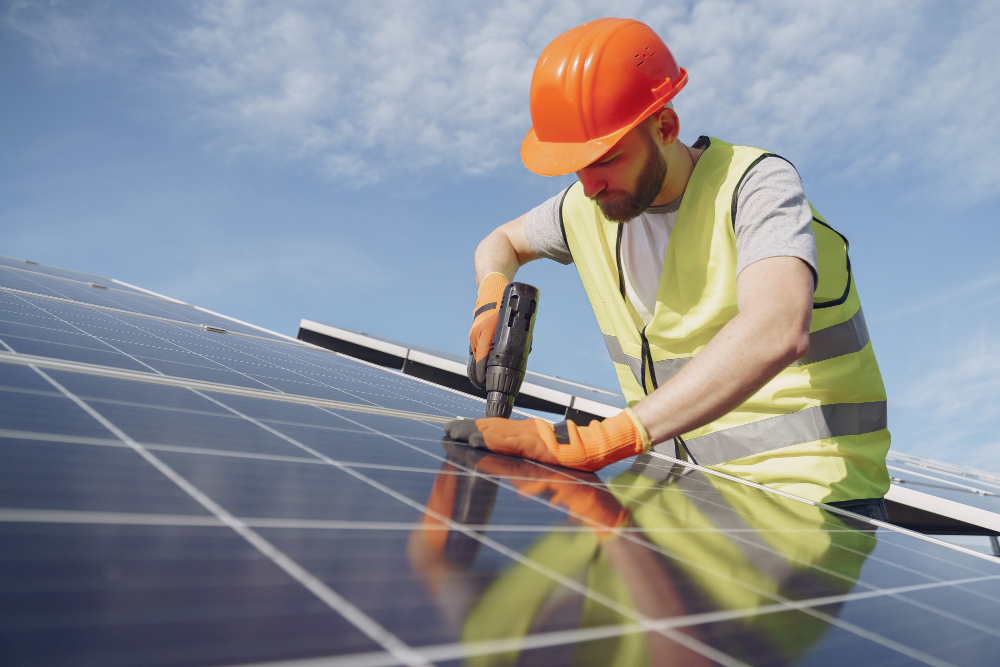
Basics of solar panel installation
Typically, solar panels are best installed on the roof to maximise sunlight exposure.
When installing rooftop solar panels, it is essential to consider the roof’s slope and potential obstructions, such as trees that could cast shadows on the panels.
The following are the processes for installing a solar panel:
1. Set up scaffolding
This is simply a structure that aids the installation process.
2. Install solar panel mounts
This supports the base of the solar panels and ensures optimal sunlight exposure. The mounting structure should be tilted at an angle between 18 to 36 degrees.
3. Install the solar panels
After the mount has been set up, you install the solar panel on the mounting structure. Make sure to tighten all the bolts and nuts to stabilise it.
4. Wire the solar panels
The most commonly used connectors are the MC4’s, and they are used because they are well-suited for all types of solar panels.
While doing this, make sure the electricity supply to the home is shut off to avoid electrocution.
5. Install solar inverter
After connecting the solar inverter to the system, it should be placed in a location that is cool, dry, and well-ventilated for optimal efficiency.
6. Bond solar inverter and solar battery
Link your solar inverter to the solar battery. Solar battery storage can protect you from concerns about insufficient energy during cloudy weather and reduce the costs of solar panel batteries during installation.
7. Connect the inverter to the consumer unit
To monitor the amount of electricity produced by your solar panels, connect a generation meter to the inverter. You can use your computer or device to track your system’s performance and decide when to use your appliances based on the electricity generated at different times.
8. Start and test solar panels
This is the final step. Switch on the power and test it if it needs anything further.
Read: Solar panel installation for home- what’s involved?
What is the average solar panel installation cost?
The average cost of solar panel installation can vary depending on several factors. On average, installing solar panels for a home can range from $10,000 to $30,000.
However, it’s important to note that these figures are not set in stone and can vary based on the specific circumstances of each installation.
In the United States, the average cost of solar panel installation for homes ranges from $15,000 to $30,000, with a price per watt of around $3.
For residential installations in India, the cost is approximately Rs. 75,000 to Rs. 85,000 for a 1kW system and Rs.3,15,000 to Rs. 3,57,000 for a 5kW system.
In China, the average cost of solar panel installation is around $14,502 for a 5.5-kW system.
In Japan, as of 2022, the average sales price for solar PV modules per watt was 47 Japanese yen while the average generation cost of residential photovoltaics in Japan in 2022 was 18 yen per kilowatt hour.
In 2023, the average cost of solar panel installation in Germany was about $17,050 for a 5-kW system and $34,100 for a 10-kW system before the ITC. The average price per watt in Germany is around $3.
That said, it’s essential to get a personalised estimate for your specific installation, as costs can vary depending on factors such as the size of your system, the type of panels you choose, etc.

Solar panel installation cost breakdown
The following are some vital factors that affect the overall budget for solar panel installation:
Installation cost in a country
The cost of solar panel installation can vary from country to country. Factors such as market competition, government incentives, solar rebates, tax credits, and the availability of solar resources can influence the overall cost.
For example, the average cost per watt for a solar system in the US is between $3 to $4.
Therefore, the average cost of a 5kW system is around $14,800 before tax credits. The tax credits increase the cost to between $16,870 and $23,170.
Panel types
There are different types of solar panels available, each with its own price range. The cost of panels will depend on the type and brand you choose.
The most common types of panels include monocrystalline, polycrystalline, and thin-film panels.
- Monocrystalline panels are known for their high efficiency and sleek design, but they tend to be more expensive, ranging from$1 to $1.50 per watt and $6,000 to $9,000 for a 6kW system.
- Polycrystalline panels are slightly less efficient but more affordable, with an efficiency average of 20%. Average cost is $0.90 to $1 per watt, or $5,400 to $6000, for a 6 kW system.
- Thin-film panels are the most flexible option and are often used in specific applications. They tend to cost around $0.70 to $1 per watt, roughly $4,200 to $6,000 for a 6 kW system.
System size
The size of the system is measured in kilowatts (kW) and is determined by factors such as your energy consumption, available roof space, and desired energy output.
The average size of a residential solar panel system is between 5 and 6 kilowatts. However, the bigger the system size (energy) requirements, the more the cost.
Location
Your location plays a significant role in the cost of solar panel installation.
The cost of solar panel installation for a 10-kilowatt solar energy system varies by state, ranging from $23,300 in Arizona to $34,300 in New Mexico.
Labour cost in the country
Labour costs typically account for a significant portion of the overall installation cost.
The labour cost can be influenced by factors such as the cost of living, availability of materials, and local incentives. In the United States, the average labour cost for solar panel installation is about $0.59 per watt. It accounts for about 25% of the total cost of solar panel installation.
In Germany, the installation cost is $3 per watt.
Potential additional costs and considerations
With a solar panel installation, depending on your specific installation requirements and local regulations, there are additional costs such as;
Permits and inspections
Depending on your area, you may need to obtain permits and undergo inspections before installing solar panels. It varies depending on your location and the specific requirements of your local authorities.
Grid connection fees
If you plan to stay connected to the grid and use it as a backup, you may need to pay grid connection fees.
These fees can vary depending on your utility provider and the specific agreements. It’s important to discuss the fees with your utility provider and factor them into your budget.
Structural roof modifications
Sometimes, your roof may require structural modifications to accommodate solar panels. This can include reinforcing the roof or adjusting to ensure the panels are securely installed.
Structural modifications can add to the overall installation cost and should be considered during the planning phase.
Long-term maintenance and other costs
The long-term maintenance of solar panels typically includes annual inspections and cleanings. The above cost varies based on the number of panels and specific needs.
- Warranty and lifespan: Solar panels come with manufacturer warranties that typically range from 10 to 25 years. While solar panels can last 25 years or more, they may require repairs or replacements over time.
- Potential repair costs: In the event of damage or malfunction, solar panels may require repairs or replacements. The potential repair costs for solar panels can vary depending on the specific issue and whether the panels are under warranty.
Financial incentives and rebates
One key benefit of solar panel installation is the availability of financial incentives and rebates. These incentives can help offset the initial installation costs and make solar energy more affordable.
Government incentives
Government incentives and rebates are available to support various energy-efficient and sustainable initiatives.
These incentives can include tax credits, rebates, and financing options.
The US Department of Energy provides programs like WAP and LIHEAP to assist low-income households in enhancing energy efficiency and reducing energy costs.
Tax credits
Tax credits are available to encourage the adoption of energy efficiency measures and renewable energy.
These credits allow you to deduct a percentage of the installation cost from your tax liability.
In the United States, for example, the Federal Solar Investment Tax Credit (ITC) offers a 30% tax credit for residential and commercial solar installations.
The IRA authorises tax credits and rebate programs to help households save on energy-efficient upgrades, including credits.
How to calculate the ROI of a solar panel installation?
Calculating the return on investment (ROI) of a solar panel installation involves considering the financial benefits and savings over time.
While the upfront installation cost may seem significant, the long-term savings and environmental impact can make it a worthwhile investment.
- Reduced energy bills: By generating your own electricity from solar panels, you can significantly reduce your reliance on traditional energy sources and lower your monthly utility bills.
- Increased property value: According to some real estate experts, homes equipped with solar panels tend to sell at a higher price compared to homes without them. The increased property value can contribute to the overall return on investment.
- Environmental impact: By reducing your reliance on fossil fuels for electricity, you can significantly reduce your carbon footprint and contribute to a more sustainable future.
Tips for budgeting your solar panel installation
1. Assess your energy needs
Understand how much electricity you currently use and how much you aim to offset with solar panels. This will give you an idea of the system size you need and help you estimate the potential cost.
2. Explore financing options
Consider solar loans, leases, and power purchase agreements (PPAs). These options allow you to spread out the installation cost over time and make affordable monthly payments.
3. Get multiple quotes
It’s essential to get multiple quotes from reputable solar panel installation companies.
This will give you a better understanding of the average cost in your area and allow you to compare services and warranties.
Be sure to consider the reputation and experience of the companies when making your decision.
4. Consider long-term savings
Calculate the potential energy bill savings over the panels’ lifespan and factor them into your budget.
This will give you a more accurate assessment of the overall cost and return on investment.
5. Research local incentives
These can significantly offset the installation cost and make solar panel installation more affordable.
Check with your local government or consult with solar installation companies to understand the specific incentives available to you.
Importance of choosing the right installer
A reputable and experienced solar panel installer will ensure that your system is mounted correctly, operates efficiently, and meets all the necessary requirements.
- Confirm insurance: A reputable installer should carry liability insurance and offer a warranty that covers any potential issues that may arise post-installation
- Compare prices: Obtain quotes from multiple installers to compare prices, services, warranties, and financing options. Be wary of highly low-priced quotes, which may indicate subpar quality or hidden costs.
- Research and reviews: Conduct thorough research and read customer reviews. Look for installers with a proven track record, positive customer feedback, and relevant certifications. Check if they are licensed, insured, and have experience installing systems similar to yours.
- Assess their expertise: A knowledgeable installer will assess your energy needs, conduct a thorough site analysis, and provide recommendations tailored to your requirements.

Conclusion
Solar panel installation is an investment that provides significant financial and environmental benefits.
By understanding the factors contributing to the installation cost, such as the country, panel types, etc., you can budget effectively and make an informed decision.
Consider potential additional costs and long-term maintenance requirements when evaluating the overall cost of solar panel installation. By following these guidelines, you can embark on a solar panel installation journey that is both financially and environmentally rewarding.