Have you recently noticed a shift in the traditional color of solar panels? Yes, you are right; the color of newly installed solar panels is primarily black.
When choosing solar panels, people look for various characteristics, such as a high value on cost-effectiveness, power ratings, etc. Although these factors are crucial in the decision-making process, there is no doubt that aesthetics also play a significant role.
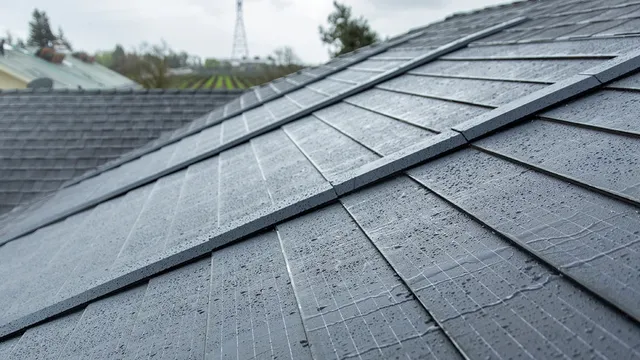
This is where the prominence of full black solar panels becomes evident. Especially when a portion of the solar panel array is visible to neighbours. Homeowners often choose full black solar panels for their ability to provide a polished and streamlined appearance.
Let’s dive into the world of solar panels and find out what’s behind the switch to black.
What are black solar panels?
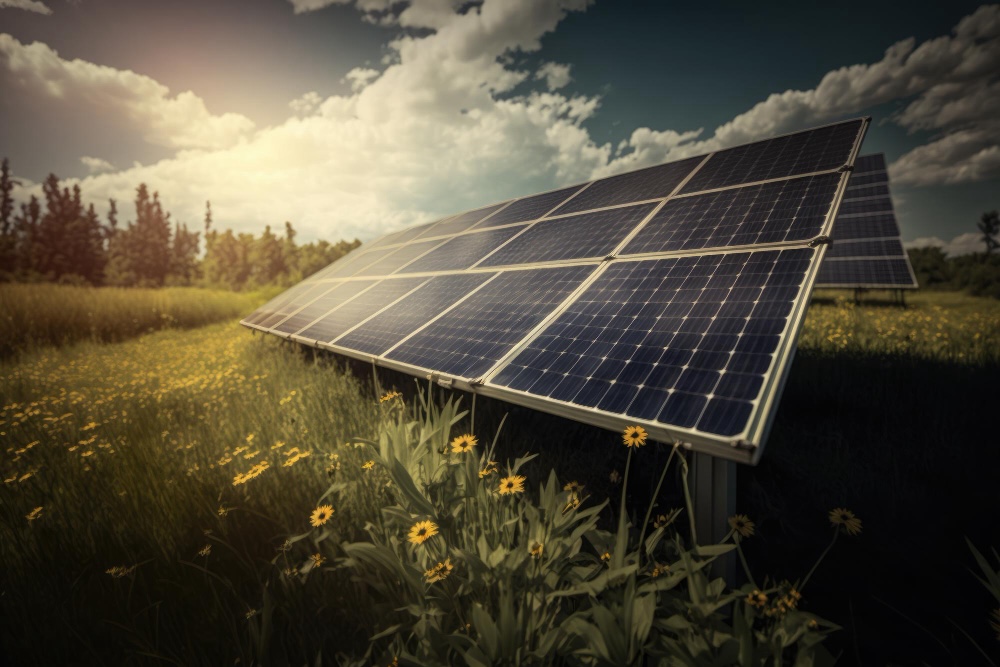
As the name suggests, black solar panels appear all black from top to bottom. The solar industries were motivated to make black solar panels as blue solar panels were not gaining widespread acceptance as expected.
However, to understand the colors better, it is essential to understand the differences between monocrystalline and polycrystalline panels.
The absence of crystal formation in monocrystalline panels facilitates smooth electron flow. In contrast, polycrystalline panels exhibit lower efficiency due to crystal formation during manufacturing, creating obstacles for electron flow through the cells.
Monocrystalline panels look dark in color, unlike polycrystalline ones, which appear bluish.
Triple black solar panels (Full black solar panels)
Triple-block solar panels are made of monocrystalline cells, which give them their black color. In addition, they are designed with black frames, black sheets, and black cells, giving a uniform and sleek appearance that integrates seamlessly with the surroundings.
Black solar panels pros and cons
Let us look at some of the advantages and disadvantages of black solar panels.
What are the advantages of black solar panels?
1. Enhanced aesthetics
Black solar panels are chosen not just for their energy efficiency but also for their sleek and refined appearance. The all-black design seamlessly integrates with various architectural styles, offering an aesthetically pleasing option for homeowners conscious of the visual impact of their solar installations.
2. Increased absorption and efficiency
Scientifically, it has been proven that black surfaces are superior when it comes to the absorption of sunlight. Using black-colored solar panels boosts energy absorption and results in greater overall efficiency compared to traditional blue panels, particularly in regions with abundant sunlight.
3. Temperature tolerance
Black solar panels often exhibit better temperature tolerance. This means they can maintain their efficiency levels even in higher temperatures, ensuring consistent energy production during peak sunlight hours.
4. Curb appeal and property value
The visual appeal of black solar panels can enhance the attractiveness of a property. Homeowners who invest in solar for both environmental and financial reasons discover that incorporating full black panels can have a positive effect on the value of their property.
5. Minimal reflection
Black panels typically have lower reflectivity compared to their blue counterparts. While this may not significantly impact efficiency, it can contribute to a more aesthetically pleasing appearance, as the panels blend into the surroundings without producing glare.
What are the disadvantages of black solar panels?
1. Higher initial cost
Unlike blue solar panels, manufacturing black ones demands additional steps and specialised materials. This makes them more expensive when compared to traditional blue panels. The higher initial cost can be a significant factor for budget-conscious consumers.
2. Lower reflectivity
While the lower reflectivity of black panels can be an advantage aesthetically, it may result in slightly lower overall efficiency, particularly in situations where reflectivity plays a role. This trade-off needs consideration based on the specific installation environment.
3. Limited customisation
Black solar panels offer limited color customisation options compared to blue panels. For those seeking a specific color or design for their solar array, the choices may be more constrained with black panels.
4. Visible dirt and dust
Unlike light colors, black surfaces show dirt and dust more visibly. This implies that black solar panels might need more regular cleaning to preserve their appearance and ensure optimal efficiency.
5. Potential overheating
In certain weather conditions, the increased absorption of sunlight by black panels may cause the panels to heat up more. Although modern solar panels are equipped with various measures to mitigate overheating, it’s essential to consider this factor, especially in regions with extreme temperatures.
Why are black solar panels more expensive?
The allure of black solar panels is undeniable, but one significant consideration that often gives homeowners a pause is their higher upfront cost compared to traditional blue panels.
Here are some of the main reasons behind this higher cost.
1. Specialised materials and coatings
The manufacture of black solar panels often involves specialised materials and coatings, which increases the cost. In addition, the sleek appearance of black panels necessitates incorporating more refined and aesthetically pleasing components. These materials can be pricier, contributing to the overall cost.
2. Additional manufacturing steps
Achieving the all-black aesthetic requires additional manufacturing steps. It involves carefully integrating black back sheets, frames, and cells, which demands a more intricate assembly process. This requires extreme levels of precision and higher production time, increasing the overall cost.
3. Growing demand for aesthetics
As more and more homeowners prioritised the visual impact of the installations, there was an upsurge in the demand for aesthetically pleasing options like black solar panels.
This surge in demand contributes to the higher cost as manufacturers invest in research and development.
4. Market positioning
As the popularity of black solar panels is high in the market, along with the added advantage of its visually appealing option, manufacturers often position them at a higher price point. Homeowners willing to invest in the enhanced aesthetics and curb appeal that black panels offer may pay a premium for this sought-after feature.
5. Technological advancements
Another essential factor that contributes to cost difference is continuous technological advancement. The constant improvement in manufacturing processes, efficiency enhancements, and the integration of cutting-edge materials in black solar panels all add to the research and development costs reflected in the final price.
As technology advances and the maker continues to evolve, it is possible that the price gap between black and blue solar panels may narrow in the near future, making the choice more accessible to a broader range of homeowners.
Average cost difference between black solar panels vs blue
The cost disparity between black and blue solar panels can be attributed to several factors.
The additional manufacturing steps required for black panels, including using specialised materials and coatings, increase production costs. Moreover, the growing demand for aesthetically pleasing solar solutions also drives up the price of black solar panels.
According to Architectural Digest, the average cost of traditional blue solar panels is between $1 to $1.50 per watt.
Black Panels, however, may cost slightly more per watt. However, the costs can add up if your solar system size is extensive.
Energy output comparison of black vs blue solar panels
Comparing the energy output of black and blue solar panels involves critical considerations.
Black panels, with their darker color, typically absorb more sunlight, potentially yielding higher energy output, especially in regions where the sunlight is abundant.
On the other hand, although blue panels had slightly lower absorption rates, technological advancements have narrowed this efficiency gap.
Factors like temperature tolerance, geographical conditions, and aesthetic preferences play roles in decision-making.
Black panels may excel in sunny climates, offering enhanced absorption, while blue panels remain versatile, performing well in various conditions. Ultimately, both options provide efficient solutions, giving consumers multiple choices based on their needs and priorities.
Which solar panel color is most efficient?
Traditionally, black solar panels have been considered more efficient due to their darker color, allowing them to absorb more sunlight.
This increased absorption potential can produce higher energy output, especially in regions with ample sunlight. Black panels can generate20% more power when compared to blue panels.
Black solar panels vs blue: Which to choose?
You may choose either blue or black solar panels depending on various factors. Here are a few points to consider.
- Aesthetic preferences: If you prefer your panels to integrate with the roof seamlessly, it will be wise to consider a black design.
- Energy efficiency: Thoroughly assess the local climate, temperature fluctuations, and overall panel efficiency to determine the color that best suits your energy requirements.
- Cost considerations: Assess your budget and weigh the aesthetic benefits against the higher upfront cost of black solar panels.
- Durability: Consider the durability of black and blue panels, factoring in their resistance to weather conditions and potential wear over time.
- Manufacturer support: Do online research to check the reputation of companies providing blue and black solar panels, along with customer reviews. More positive customer reviews mean the product is better.
Frequently Asked Questions (FAQs)
Does color matter in solar panels?
It is scientifically proven that the color of solar panels can impact their efficiency, absorption, and overall aesthetics. While black panels may offer enhanced absorption and aesthetics, other factors, such as reflectivity and temperature tolerance, should also be considered.
What size are black solar panels?
Back solar panels are available in a variety of sizes. Standard sizes, ranging from residential options to larger panels suitable for commercial installations, are available.
It is also important to remember that the size of black solar panels varies based on the wattage and efficiency of the panels.
Which type of inverter is best for black solar panels?
The choice of solar inverter depends on the specifications of the solar panels. Consult your solar installation professional to determine the most suitable inverter for your black solar panels.
Do black solar panels require more maintenance than blue panels?
Maintenance requirements for black and blue solar panels are generally similar. Regular cleaning and occasional inspections are essential to ensure optimal performance, regardless of the panel color.
Read: Solar panel maintenance
Both black and blue solar panels require periodic cleaning to remove dirt and debris. However, black panels may show dirt more visibly, prompting homeowners to clean them more frequently for aesthetic reasons.
Are there warranty differences between black and blue solar panels?
Warranty terms and conditions can vary between manufacturers rather than between panel colors. It’s crucial to review the warranty details provided by the manufacturer of your chosen solar panels to understand coverage and duration.
Concluding remark
Let’s accept the fact. Solar technology is undergoing a rapid revolution beyond expectations.
As technology continues to boom, the differences between these options may become more nuanced, offering consumers a wide range of choices.
Whether you prioritise the sleek look of black solar panels or the cost-effectiveness of blue ones, the ultimate goal is to harness clean and renewable energy to power homes and businesses for a sustainable future.